Responsible Mining
Shaping the future by being proactive from an early stage
Koryx commits to being a responsible mining organisation from the outset. We have a beyond-compliance mindset and focus on risk-mitigation and value-creation that integrates community priorities, environmental requirements, investor expectations and mining best practices into a single framework for responsible mineral extraction and processing.
It starts with recognising that what we design and develop today will shape a region’s people, environment and economy for decades to come. How we do our work now matters as much as how we eventually extract minerals then.
As an ethical exploration and development company, we integrate environmental and social considerations into every stage of our projects – from early studies through mine development and to operations. As a top priority, we ensure we meet and exceed local regulations and expectations regarding our social licence to operate. Then, where possible and applicable given our early stage of development, we are guided by globally recognised standards and frameworks.
We align with the UN SDGs and national development priorities. From a performance perspective, we are guided by the IFC PS and ICMM. From a reporting and transparency perspective, we are guided by the GRI and SASB. From a product stewardship perspective, we will be guided by the Copper Mark. Other standards or frameworks may be added.

Our responsible mining commitments
Ethical Governance & Transparency
We operate with integrity, transparency, and zero tolerance for corruption, upholding fundamental human rights in all we do.
Environmental Stewardship
Through science-led design, we protect water, land, air, and biodiversity, minimising our footprint from the earliest stages.
Health, Safety and Well-being
People come first. We are building a “zero-harm” culture that prioritises the long-term safety and well-being of our workforce.
Community Partnerships
We seek positive outcomes through continuous dialogue, inclusive decision-making, and development that respects our neighbours’ needs.
Local Economic Inclusion
We drive regional prosperity by prioritising local hiring, skills development, and procurement within the //Karas region.
Planning for a Sustainable Legacy
We integrate closure planning from the outset to ensure a stable environment and a resilient, diversified local economy post-mining.
“
Responsible mining implementation roadmap
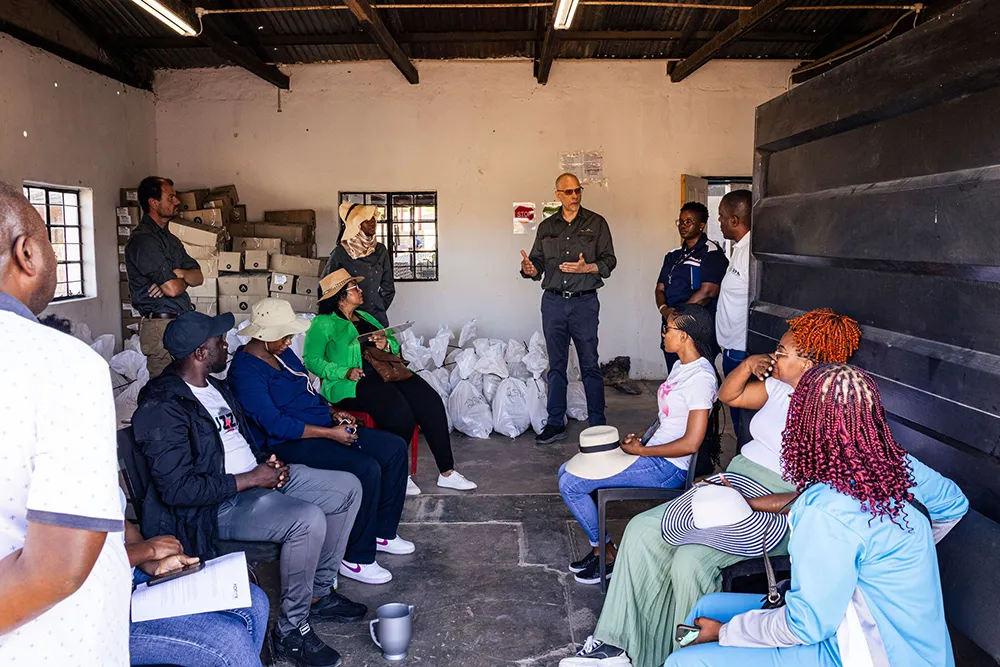
As we advance our projects, particularly the Haib Copper Project, we use a phased approach to implementing responsible mining practices, and we do this through a collaborative process with local and national stakeholders. Our first priority relates to ensuring we meet local regulations and maintain our social licence to operate. Next, we seek to meet or exceed the guidance provided by a variety of standards and frameworks. Our phased priorities, which keep building on each other and evolving, are highlighted below.
Focus
Key
activities
Foundation
(Studies & feasibility)
- Risk and materiality identification
- Baseline building
- Idea development
- Responsible mining vision
- IFC-aligned environmental & social studies (e.g. ESIA)
- Stakeholder mapping
- Initial gap analysis for Equator Principles (EP4)
Systemisation
(Design & planning)
- Responsible mining plan, including Environmental and Social Management System (ESMS)*
- Develop ESMS (IFC PS1)
- Develop Environmental and Social Management Plan (ESMP)
- Local content plan
Implementation
(Construction)
- Execution of ESMS and compliance
- Execution of ESMP
- Implementation of local content plan
- Ensure contractor participation and compliance
Stewardship
(Operations & post-life of mine)
- Execution of ESMS and compliance
- Monitoring
- Continuous improvement
- Closure design and legacy
- Expand local content and community development scope
- Rehabilitation and biodiversity monitoring
- Annual audits (ICMM/IFC)
- Disclosure of net socio-economic impact
Focus
Key activities
Foundation
(Studies & feasibility)
- Risk and materiality identification
- Baseline building
- Idea development
- Responsible mining vision
- IFC-aligned environmental & social studies (e.g. ESIA)
- Stakeholder mapping
- Initial gap analysis for Equator Principles (EP4)
Systemisation
(Design & planning)
- Responsible mining plan, including Environmental and Social Management System (ESMS)*
- Develop ESMS (IFC PS1)
- Develop Environmental and Social Management Plan (ESMP)
- Local content plan
Focus
Key activities
Implementation
(Construction)
- Execution of ESMS and compliance
- Execution of ESMP
- Implementation of local content plan
- Ensure contractor participation and compliance
Stewardship
(Operations & post-life of mine)
- Execution of ESMS and compliance
- Monitoring
- Continuous improvement
- Closure design and legacy
- Expand local content and community development scope
- Rehabilitation and biodiversity monitoring
- Annual audits (ICMM/IFC)
- Disclosure of net socio-economic impact
* An Environmental and Social Management System (ESMS) is the overarching institutional framework of policies, procedures, plans and people used to manage social and environmental priorities and risks on an ongoing basis. The Environmental and Social Management Plan (ESMP) is a specific, action-oriented document detailing the technical management and mitigation measures for a particular project phase. The ESMP is one of many elements that form part of the ESMS.
The Haib Project
Catalysing regional growth through early-stage development
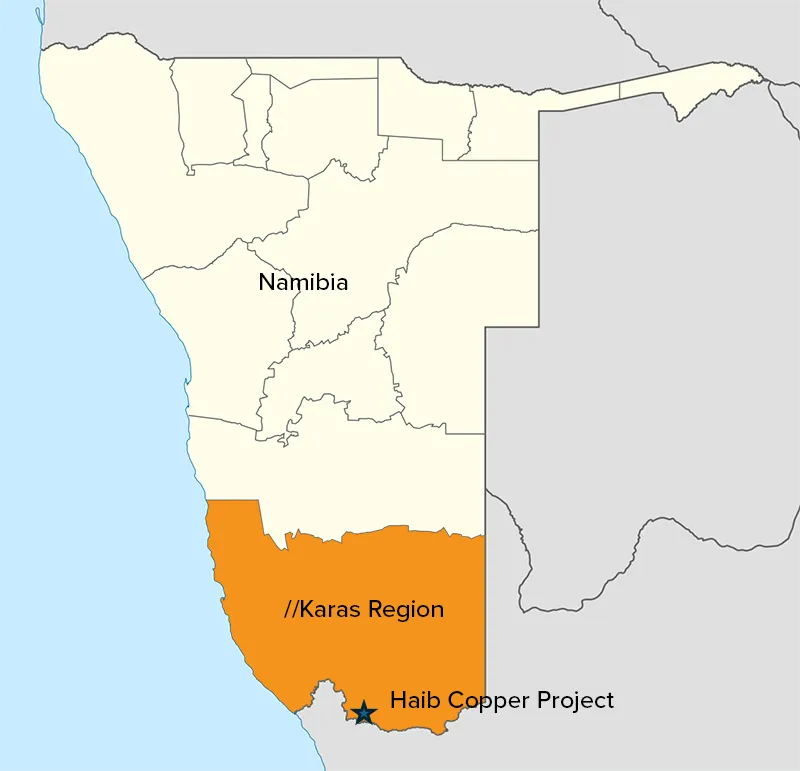
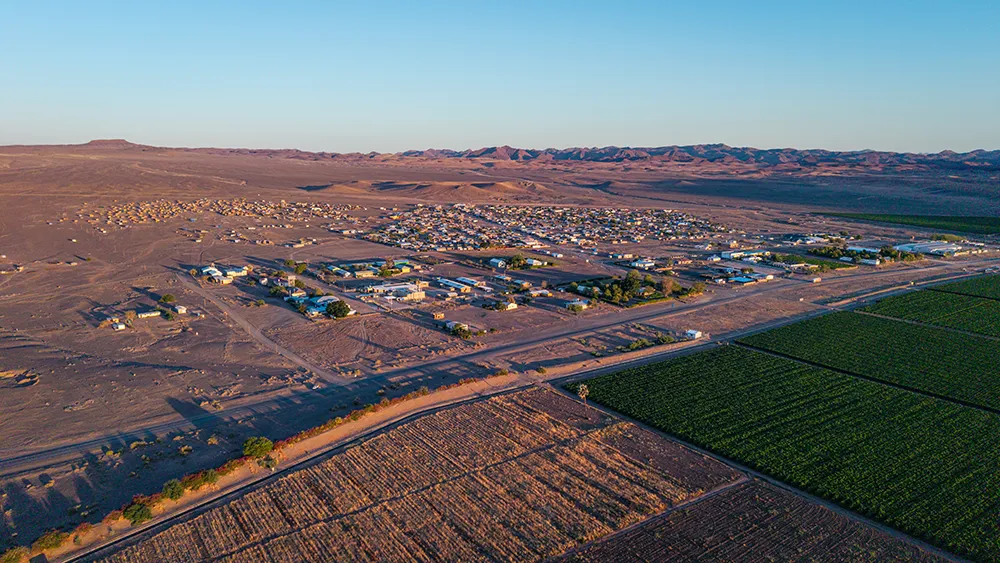
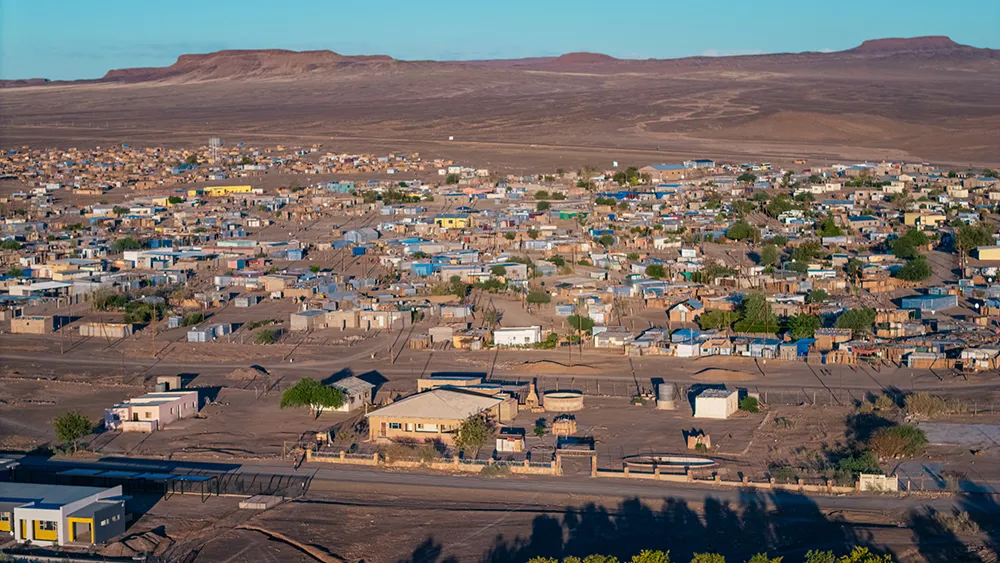
The Haib Project is a case in point for our responsibility work – the rigorous socio-economic planning we conduct today will determine how the project’s multi-generational benefits are realised in future. Situated in the far south of Namibia, this project has the potential to significantly bolster national GDP and provide transformative support for Namibia’s development priorities.
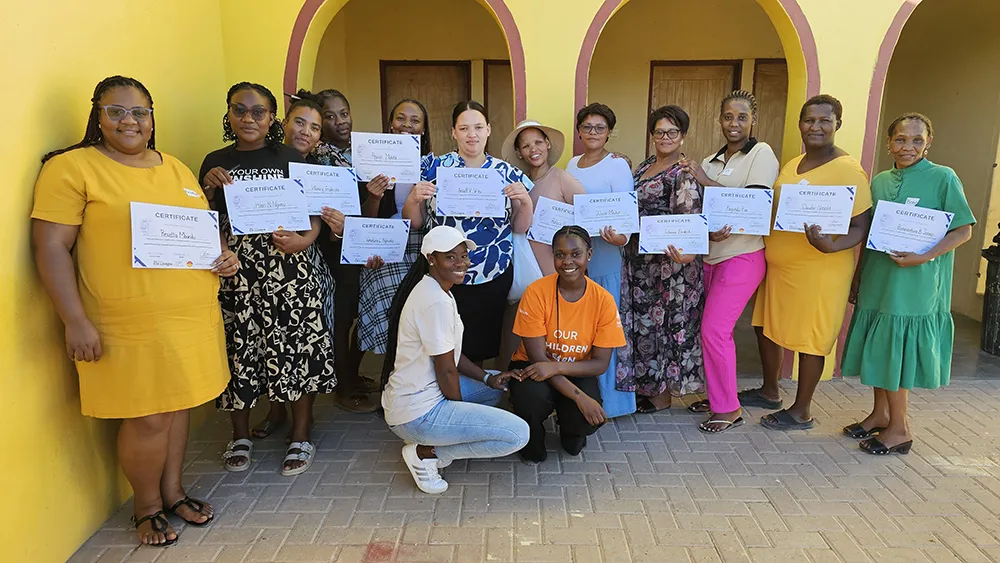
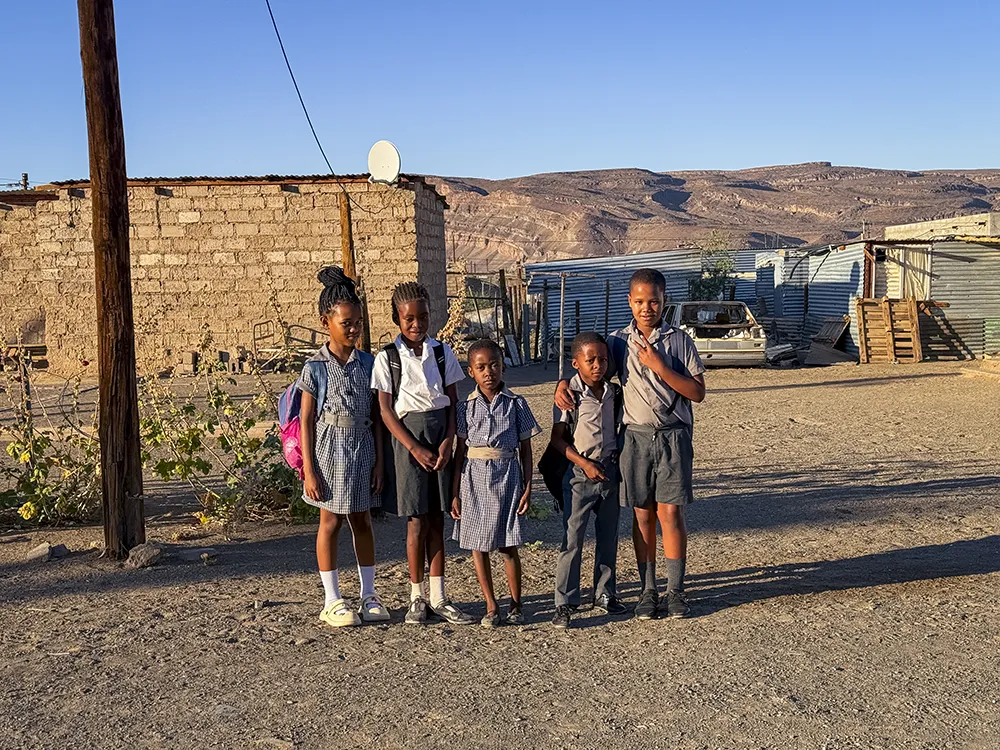
We recognise our unique responsibility to the people of the //Karas Region. While the region is often characterised as economically underserved, we view it as a cornerstone of our operational success. At Koryx, socio-economic development is not an afterthought; it is baked in from the outset through plans for:
Local jobs and skills development
- Prioritising Namibian and regional job creation, technical training, and targeted skills development.
Targeted procurement
- Building a resilient local supply chain through local procurement and supplier support.
Community projects
- Developing social initiatives that address the specific needs and aspirations of our host communities.
By aligning our foundational work with the Sixth National Development Plan (NDP6) and IFC standards, we want to ensure that the Haib Project serves as a benchmark for responsible mineral extraction in Namibia.